Investment Advice
Buying a Tea Estate in Sri Lanka
By the Lanka Real Estate team.
A tea estate is a different purchase from a beach villa or a building plot. You are buying land that has been planted, often with a bungalow, and sometimes with a factory and the people who run it. If that is what you are looking for, start with the land, estates and plantations we have for sale, and read this note before you travel up to see one.
Up-country and low-country
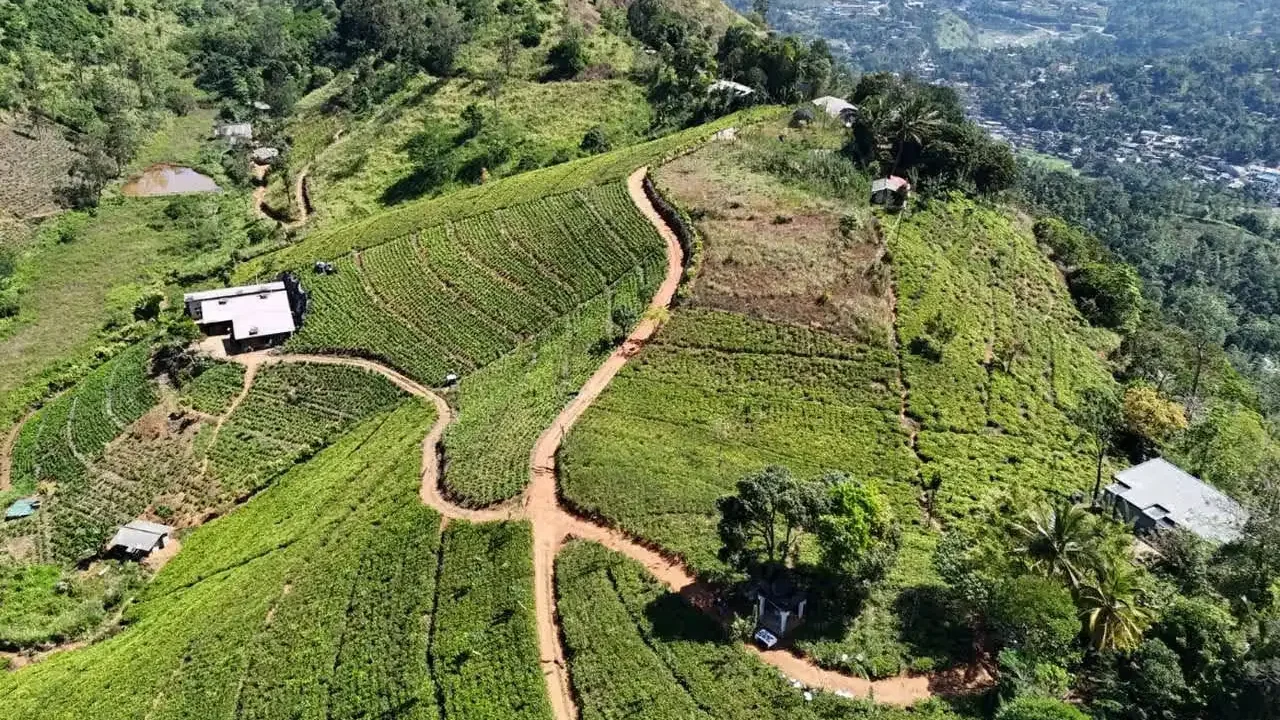
Sri Lankan tea is grown at very different heights. Up-country gardens sit in the high hills, around Nuwara Eliya, Haputale and the ridges between them. The air is cool, the views are long, and the leaf is the one most people think of as Ceylon tea. Low-country gardens are on the lower slopes, warmer and wetter, with a different leaf and a different rhythm to the year. Neither is simply “better”. Walk the land, ask what height the garden sits at, and taste the tea if the factory is working. Our hill country pages are the place to start looking.
A working factory, or a bungalow with tea around it
These are not the same thing, and the advert does not always say so plainly. A working estate takes in leaf, runs a factory, and sells tea. A bungalow with a few acres of tea around it is a house in a planted garden. Both can be lovely. Ask which one is for sale, what is included (the bungalow, the factory, the roads, the water), and who picks the leaf. We are happy to walk it with you and to say, in plain words, which of the two you are being shown.
The people who run it
An estate is a workplace. Staff may live on the land, and someone has to manage the garden after you buy it. Ask who employs the workers now, whether they stay with the estate, and who would manage it for you if you are not living there. We can introduce a manager. Wages and contracts are for you, your lawyer and the manager to agree. Ask them for the current figures.
Title, boundaries and a survey
Buy the estate with the same care you would buy any land. You want to know that the seller can sell it, where the boundaries are, and that the plan matches the ground. An old plan is a reason to commission a new one, not a reason to skip it. Your lawyer leads the title search. A surveyor marks the land. The checks we walk through with every buyer are in the buying guide and in the FAQ on title.
How a foreign buyer holds the land
A foreign buyer does not usually take freehold land in their own name. The two routes people use are a long lease, or a Sri Lankan company that owns the land. Which one suits you depends on the estate and on how you want to hold it. The steps, and the difference between leasehold and freehold, are in the buying guide and the FAQ. Setting up the company is covered in the company question. Your lawyer should explain both for the estate in front of you.
What it costs, and who to ask
The price of the estate is only the start. Stamp duty, the notary, registration and a fresh survey all sit on top, and the figures move. We do not print a percentage here. Ask your lawyer for a written bill for this purchase, your bank about bringing the money into Sri Lanka, and your surveyor about the plan. What those costs are made of is set out in costs and fees.
This guide is general information, not legal, tax or financial advice. Laws and costs change, so please confirm the details with a qualified Sri Lankan lawyer before you commit.