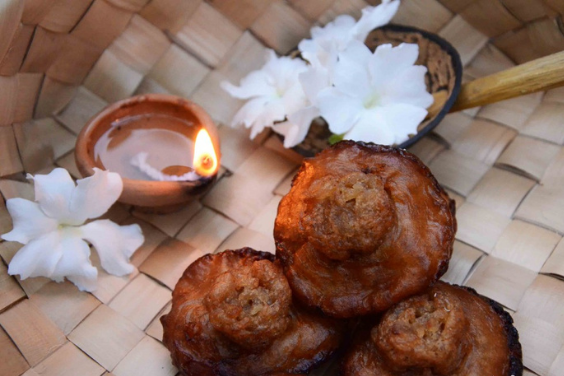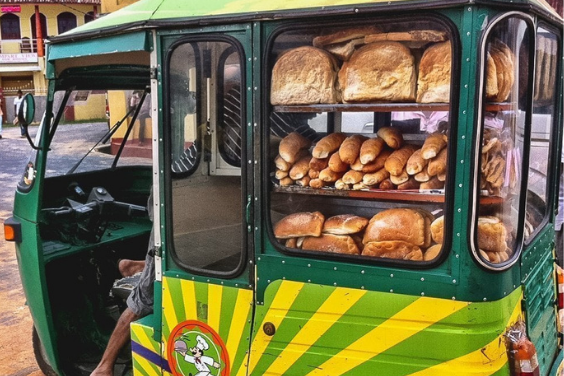
One of the stranger backdrops to Sri Lankan life is hearing the high-pitched tinny strains of Beethoven's Für Elise drifting though the air two or three times a day. This will often be accompanied by a flurry of activity amongst your neighbours or house staff as they know that the metallic jingle signals the arrival of the Choon Paan Man. Choon Paan literally translates as "musical bread" and is the...
History & Culture
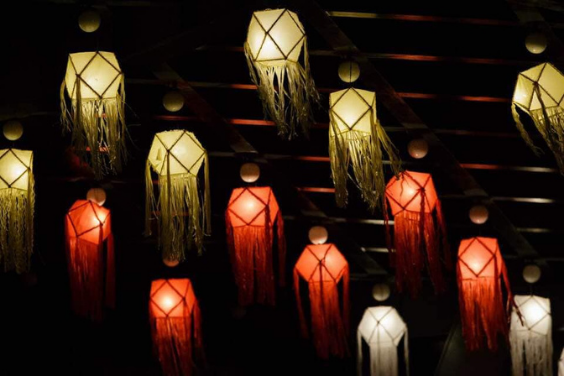
In April we celebrated the Sinhala and Tamil New Year. May brings the most important Poya (full-moon) of the year. Vesak Poya is so significant that we get a two day public holiday in its honour instead of the usual one. Vesak, also known as the Buddhist Festival of Light, celebrates the triple anniversary of Lord Buddha - his birth, his attaining of Enlightenment and his passing...
Whilst we of course celebrate the arrival of the Gregorian calendar New Year on 1st January - any excuse for a party - the big one in Sri Lanka is the Sinhala and Tamil New Year which falls on the 13th or 14th of April each year. Called Aluth Avurudda in Sinhala, it is without doubt the most important holiday of the year and the celebrations last for many days. Most businesses and shops will be closed for...
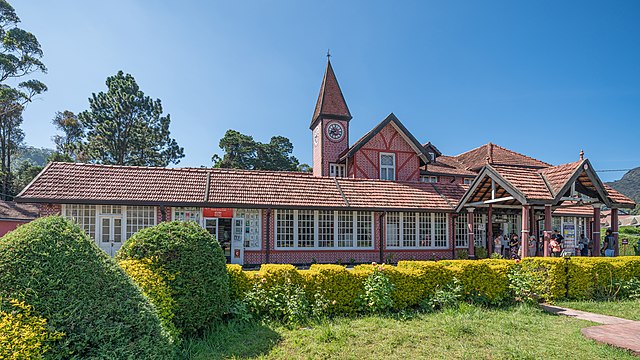
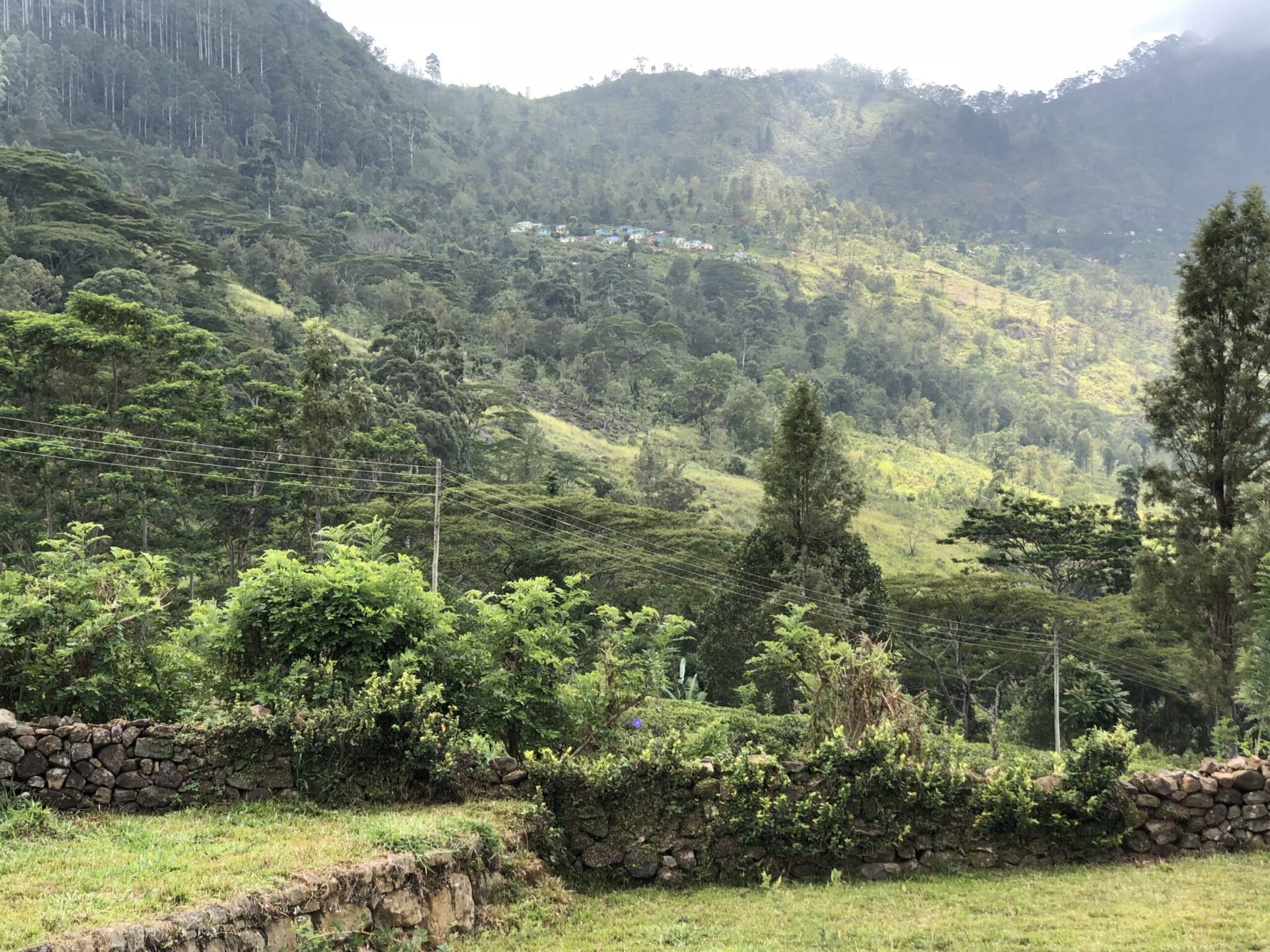
The hill station city of Nuwara Eliya was popularised by an English explorer and planter in 1864, who triggered its development from a tiny lakeside village into the commercial and cultural capital of the Central Highlands. Its location in the heart of hill country coupled with its temperate climate quickly made it a favourite sanctuary for British planters and government officials thus earning the...
We are all familiar with the Sri Lankan head wiggle of assent; a far more sophisticated affair than the Indian wobble, the Sri Lankan version is more of a subtle figure of eight motion. It of course means yes!, but to the Western newcomer it can very much look like a head-shaking "no!" and can take some getting used to. The wiggle is often offered silently but may be accompanied by the...
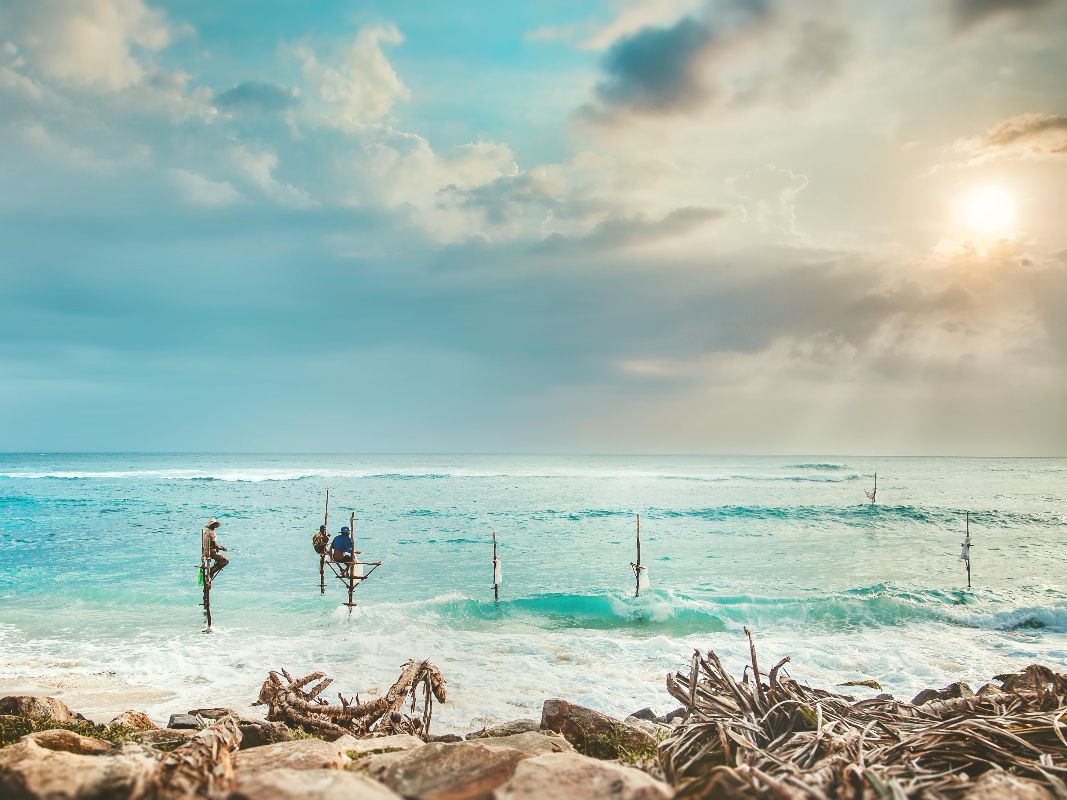
The stretch of coast from Galle to Matara is characterised by coral reefs running parallel to the shoreline which create areas of protected water between the beach and the reef. These calm, shallow lagoons make wonderful safe areas for bathing. They also create the perfect conditions for stilt fishing; an activity which is now so synonymous with Sri Lanka that it is surprising to find out that it...
The words "Ceylon" and "tea" are now so inextricably linked that it is surprising to discover that the tea industry in Sri Lanka is barely 150 years old. Even then it was a second-choice crop after the unexpected failure of a hitherto very successful coffee industry due to a blight decimating the coffee plants. The first commercial tea plantation in Sri Lanka is believed to have been created by James...
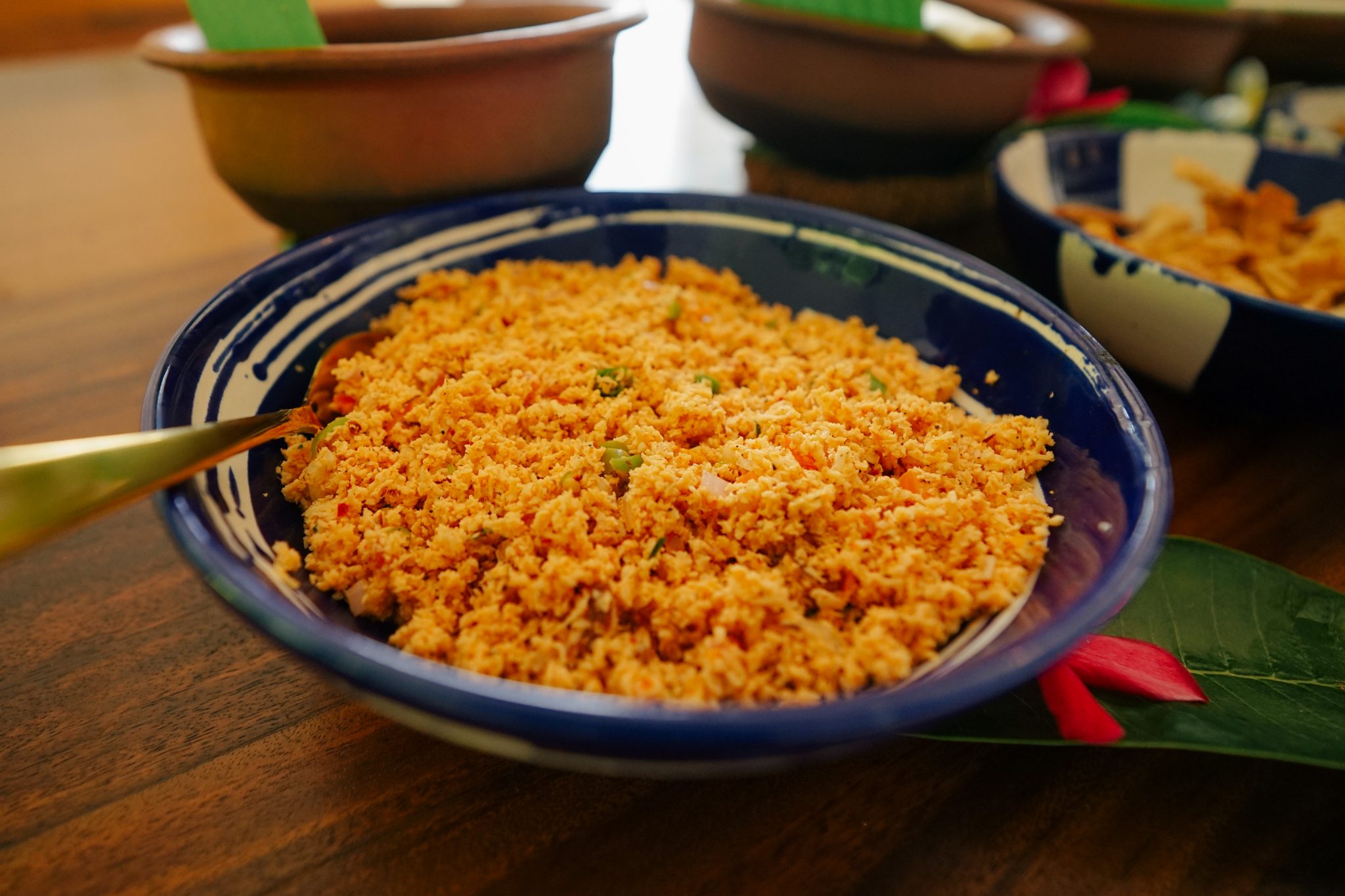
Today we are sharing a taste of Sri Lanka with you. The ubiquitous and sublimely delicious "Pol Sambol" - pol being a Sinhala word for coconut. Often eaten at breakfast heaped on to Pol Roti, this mouthwatering sambol also turns up at lunch and dinner as a refreshing, palate cleansing, side dish to rice and curry. Moist, spicy and vibrantly orange it can't fail to lift the heart when spotted on the dining...